


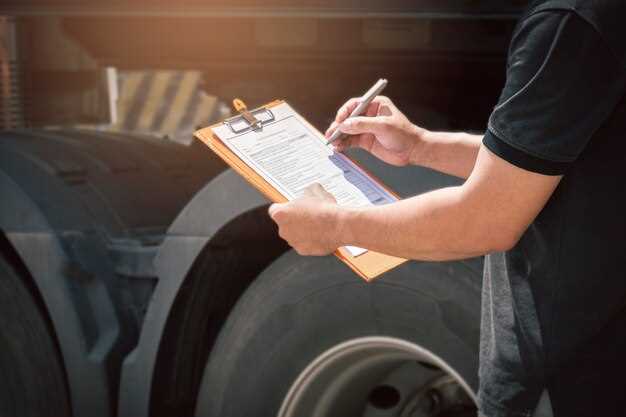
Transporting your vehicle can be a significant event, whether you are moving across the country or simply shipping your car for a vacation. Before handing over the keys to a transport company, it is crucial to conduct a thorough inspection of your vehicle. This initial inspection serves as an essential safeguard against potential damage that may occur during transit. By documenting the condition of your car in detail, you create a report that will be invaluable should any issues arise after transport.
After your vehicle arrives at its destination, an equally attentive inspection should follow. Carefully comparing the post-transport condition of your car with the initial report allows you to identify any new damage that may have been inflicted during the shipping process. This step is critical for holding the transport company accountable and ensuring you receive any necessary compensation for damages. A comprehensive approach to inspecting your car both before and after transport can save you significant hassle and expense down the line.
Pre-Transport Vehicle Inspection Checklist

Preparing your vehicle for transport is crucial to ensure its safety and integrity during the journey. Conducting a thorough inspection before handing over your vehicle can help identify any existing issues and provide a clear report for both the owner and the transport service. Below is a checklist to guide you through the pre-transport vehicle inspection process.
- Exterior Inspection:
- Check for any visible damage such as dents, scratches, or rust.
- Inspect all windows and mirrors for cracks or chips.
- Ensure lights (headlights, brake lights, turn signals) are functioning properly.
- Examine tires for wear and adequate pressure.
- Interior Inspection:
- Remove all personal belongings from the vehicle.
- Check the functionality of the dashboard indicators.
- Inspect seats and upholstery for any stains or damage.
- Fluid Levels:
- Check oil levels and look for leaks.
- Verify coolant and brake fluid levels.
- Ensure windshield washer fluid is filled.
- Mechanical Inspection:
- Start the engine and listen for unusual noises.
- Test brakes for responsiveness.
- Check battery terminals for corrosion.
After completing the inspection, document any findings in a detailed report. This report should include:
- Date of inspection.
- Vehicle identification number (VIN).
- Detailed notes on any existing damages or issues.
- Signatures from both the owner and the transport provider acknowledging the condition of the vehicle.
Following this checklist will help ensure that you have a clear understanding of your vehicle’s condition, facilitating a smoother transport experience.
Documenting Damage with a Comprehensive Damage Report

Before transporting your vehicle, it is essential to create a detailed damage report. This report serves as a crucial document that outlines the condition of your vehicle prior to transport and helps to identify any existing damage. Proper documentation can protect you in case of disputes later on.
Begin by thoroughly inspecting your vehicle and noting any pre-existing damage. Take clear photographs of any scratches, dents, or other imperfections from multiple angles. Ensure that the images capture all areas of the vehicle, including the hood, roof, sides, and rear. These visuals will serve as critical evidence in your damage report.
Next, compile a written description of the damage. Be specific about the location and extent of each issue. For example, instead of stating “there is a scratch,” specify “there is a 6-inch scratch on the driver’s side door.” This level of detail will make your report more effective and trustworthy.
In your damage report, include information such as the vehicle make, model, year, and any unique identifying features. This information aids in properly associating the documented damage with the specific vehicle, reducing the risk of confusion.
Once you have documented the damage, keep a copy of the report for your records and provide a copy to the transport service. If any new damage occurs during transport, this comprehensive report will be invaluable for filing claims and seeking reimbursement for repairs.
By diligently documenting the condition of your vehicle before transport, you not only safeguard your investment but also help facilitate a smoother process should issues arise during or after the transport. A comprehensive damage report is a vital step in ensuring accountability and transparency in vehicle transport.
Post-Transport Inspection Protocols and Follow-Up Steps
Upon receiving your vehicle after transport, conducting a thorough inspection is essential to ensure its condition has remained intact. Begin by documenting any observations, using a comprehensive report format to record findings. This report should include specific details such as time, date, and location of the inspection, as well as the vehicle’s make, model, and identification number.
Start the inspection by examining the exterior for any visible damages. Look for scratches, dents, or misalignments that were not present before transport. Pay special attention to the body panels, bumpers, and windows. If discrepancies are noted, photograph them to have a visual reference for further discussions with the transportation company.
Next, check the tires for signs of wear or damage. Ensure they are inflated to the proper pressure and evaluate the tread depth. Inspect the undercarriage for leaks or signs of impact that might have occurred during transport. A vehicle raised on a flatbed may also be subject to different pressure than usual, influencing its overall condition.
Once the exterior inspection is complete, move to the interior. Validate that all personal belongings have been accounted for and check the functionality of electronic systems, such as windows, lights, and the audio system. Start the engine to listen for any unusual noises and confirm that all warning lights on the dashboard operate correctly.
If any issues arise during the inspection, document each one in your report. It’s crucial to contact the transport company promptly with your findings, especially if significant damage is discovered. Provide them with copies of your inspection report, along with any photographic evidence, to facilitate a swift resolution. Follow up to ensure your claims are addressed, and maintain communication until all issues are satisfactorily resolved.


