



When your vehicle is unable to run, towing becomes a necessary task to transport it to a repair shop or your desired location. Proper prep is essential to ensure a smooth and safe towing process. Whether your car has mechanical issues or a dead battery, following specific steps can make a significant difference.
First and foremost, assessing the weight and dimensions of your vehicle is crucial. This information will help you choose the correct tow truck or towing service that can handle your non-running car. Make sure to communicate any special requirements for your vehicle during the tow to avoid complications.
Next, prepare the car by removing any valuable items and personal belongings. A clean vehicle is not only safer for towing but can also prevent damage to your items during transport. Additionally, make sure to disable the alarm system if applicable, as it may trigger during the towing process and complicate the situation.
Finally, securing the vehicle is vital. Ensure that the gear is in neutral and the parking brake is disengaged. Using tow straps or a dolly correctly will prevent any damage to your vehicle while being towed. These steps will help ensure a safe and efficient towing process for your non-running vehicle.
Check Fluid Levels and Leaks Before Towing
Before you tow an inoperable vehicle, it’s crucial to check the fluid levels and inspect for any leaks. Proper fluid management can prevent further damage during the towing process and ensure safety on the road. Here’s how to go about it:
- Engine Oil:
Check the engine oil level using the dipstick. Low oil can cause damage when the vehicle is towed. If it’s below the recommended level, consider adding oil before towing.
- Transmission Fluid:
Inspect the transmission fluid level. If the vehicle has a significant leak, it could lead to transmission failure during towing. Always ensure that it’s at the right level.
- Coolant:
Verify the coolant level in the radiator and reservoir. Low coolant may lead to overheating during transit, especially if towing over long distances.
- Brake Fluid:
Make sure the brake fluid is at an appropriate level. Inadequate fluid can compromise braking effectiveness when the vehicle is being towed.
- Power Steering Fluid:
Check the power steering fluid level. If there’s a leak, steering may become difficult when the vehicle is being towed.
- Fuel:
Ensure that there is enough fuel in the tank. While the vehicle won’t be running, having some fuel can help prevent damage to the fuel system.
After checking fluid levels, inspect for any visible leaks beneath the vehicle. If you notice any leaks, it’s important to address them prior to towing to avoid creating hazardous conditions on the road. Recognizing potential issues before towing your inoperable vehicle will help ensure a smoother and safer transport.
Secure Loose Parts and Accessories for Transport
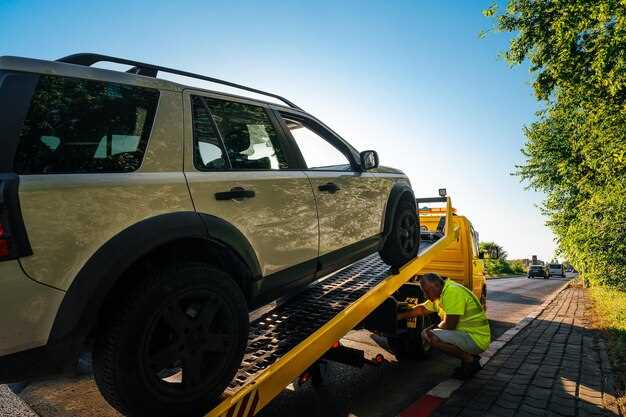
Before you tow your non-running vehicle, it’s crucial to ensure that all loose parts and accessories are secured properly. This step protects both your vehicle and other road users during transport. Begin by carefully inspecting the exterior of the vehicle for any detached components such as mirrors, bumpers, or trim pieces. Remove these items if they cannot be securely fastened, as they may become projectiles while in transit.
Next, check the interior of the vehicle for loose items such as personal belongings, tools, or maintenance equipment. Make sure to either remove these items or store them in the trunk to prevent any movement that could cause damage. Additionally, secure any loose components of the vehicle itself, including the steering wheel and gear shift, using straps or bungee cords if necessary.
Pay attention to accessories that might become loose during towing, such as roof racks, external lights, and towing hitches. Ensure these are firmly attached, and if possible, add extra ties or supports to keep them in place. Failing to secure these items can lead to significant risks, including damage to your vehicle or posing hazards to others on the road.
Lastly, check if any fluids, such as oil or coolant, are leaking from your vehicle. Address any leaks before towing, as these can create environmental hazards and complicate the transport process. By thoroughly prepping your vehicle and securing loose parts and accessories, you can ensure a safer towing experience.
Choose the Right Towing Method for Inoperable Vehicles
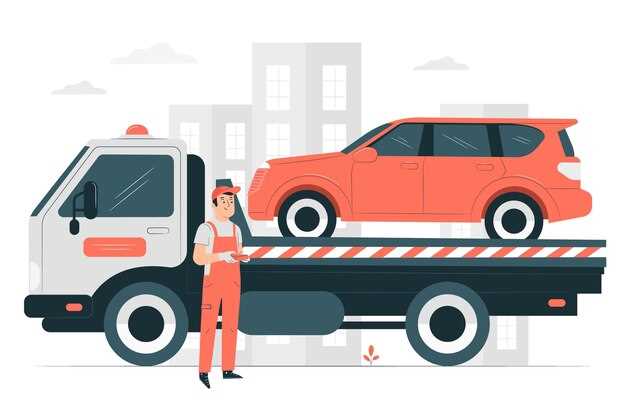
When dealing with an inoperable vehicle, selecting the appropriate towing method is crucial to ensure safety and prevent further damage. The first step in this prep process is to assess the condition of your vehicle. Depending on whether the vehicle is completely immobile or has limited mobility, you may need to opt for either flatbed towing or wheel-lift towing.
Flatbed towing is often the safest choice for inoperable vehicles. This method involves loading the entire vehicle onto a flatbed truck, eliminating the risk of damaging the tires or suspension. If your vehicle has significant mechanical issues or cannot move at all, this method is ideal for transport.
On the other hand, wheel-lift towing can be suitable for vehicles that still have some operational wheels. This technique lifts the front or rear of the vehicle while letting the other set remain on the ground. Though it can be more convenient, extra caution is required to avoid damaging the vehicle’s undercarriage during the towing process.
It’s also essential to consider the type of vehicle when choosing a towing method. Heavier and larger vehicles often require specialized tow trucks to handle their weight and dimensions safely. Always ensure the towing service you select is equipped to manage your specific vehicle type.
When preparing your inoperable vehicle for towing, communicate clearly with the towing service about its condition. Providing detailed information about any mechanical issues or past incidents can help ensure the best method is employed for transportation, minimizing any risk of further complications during the process.


