



Storing your classic car properly after transportation is crucial to maintain its condition and longevity. Whether you’ve just brought home a cherished vintage model or a rare collectible, the way you handle its storage can significantly impact its performance and aesthetics. Following careful procedures will ensure that your vehicle remains in peak shape for many years to come.
First and foremost, consider the storage environment. A climate-controlled space is ideal for classic cars, as it protects them from extreme temperatures and humidity. Fluctuations in weather can cause rust, mold, or other forms of deterioration that compromise the overall condition of your vehicle. Additionally, choosing a location that is free from direct sunlight can help prevent fading and cracking of the car’s paint and interior materials.
Before placing your classic car into storage, it’s essential to perform a comprehensive check. This includes cleaning the exterior and interior, verifying fluid levels, and taking measures to protect the engine and tires. Proper preparation not only safeguards the car’s aesthetics and functionality but also ensures that it remains a valuable asset for years to come. With these steps, you can rest assured that your classic car will be ready to hit the road whenever you are.
Assessing the Condition of Your Classic Car Before Storage
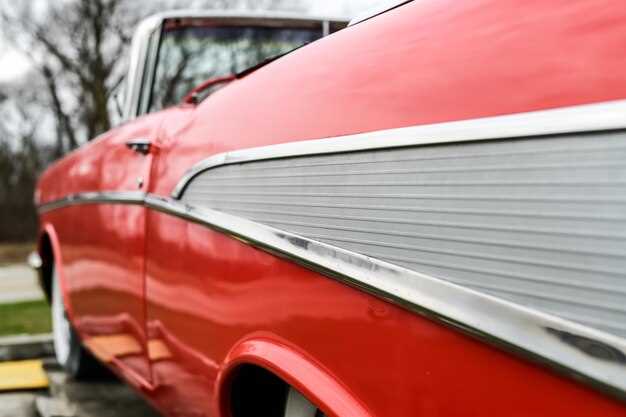
Before storing your classic car, it’s essential to thoroughly assess its condition to ensure it remains in optimal shape. Start by checking for any visible signs of damage, such as dents, scratches, or rust. Pay close attention to the body panels and any areas where water might accumulate.
Next, examine the mechanical components. Look under the hood for any fluid leaks, and ensure that all fluids, including oil, coolant, and brake fluid, are at appropriate levels. A comprehensive inspection of the battery condition is also vital; a weak battery can create problems after months of inactivity.
Inspect the tires for proper inflation and any signs of flat spots or wear. Flat tires can lead to permanent damage if left unaddressed during storage. Consider rotating the tires if you’ll be storing the vehicle for an extended period.
Don’t forget about the interior. Check for any signs of mold or pests, which could cause lasting damage. Clean the upholstery and use protectants on surfaces to prevent wear and tear over time.
Lastly, document the condition of your classic car with photographs and detailed notes. This record will be helpful for maintenance purposes and will allow you to track any changes that may occur during the storage period. Proper assessment of your vehicle’s condition plays a crucial role in ensuring its longevity and performance when you’re ready to bring it back on the road.
Choosing the Right Environment for Car Storage
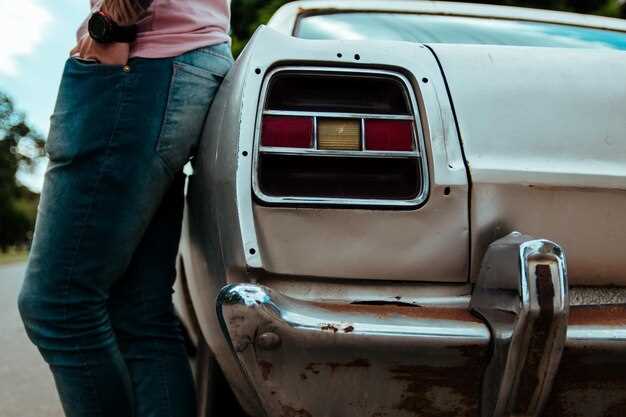
Proper storage of your classic car is essential to maintain its condition over time. Selecting an appropriate environment can prevent damage from various factors, ensuring your vehicle remains in pristine shape. Here are some valuable tips for creating the ideal storage space.
First, consider the temperature of the storage area. Extreme temperatures can lead to engine and body deterioration. A climate-controlled environment is preferable, maintaining a stable temperature around 50-70°F. If climate control is not possible, choose a location that avoids excessive heat and cold.
Next, humidity plays a crucial role in storage. High humidity can promote rust and mold growth, while too low humidity can dry out seals and gaskets. Aim for a humidity level between 40-60%, and use a dehumidifier if necessary to control moisture.
Lighting is another important aspect. Direct sunlight can fade paint and degrade interior materials. Store the car in a dark area or cover it with a breathable car cover to shield it from harmful UV rays while still allowing airflow.
Lastly, ensure the area is clean and free from debris. Dirt and dust can scratch the paint and lead to more serious damages over time. Regularly clean the storage space and avoid storing the vehicle near chemicals or other corrosive materials.
By following these tips, you can create the perfect environment for your classic car, helping to preserve its condition and value for years to come.
Essential Maintenance Steps Before Storing Your Classic Car
Before placing your classic car into storage, it’s crucial to perform several maintenance steps to ensure it remains in optimal condition. These tips will help you prepare your vehicle for a safe and secure storage experience.
Start with a thorough cleaning of both the exterior and interior. Removing dirt and grime prevents paint damage and mold growth during storage. Wax the exterior to provide an additional layer of protection against dust and moisture.
Next, change the oil and filter. Old oil contains contaminants that can corrode engine components over time. Fresh oil ensures that your engine remains lubricated and protected during the storage period.
Check the fluid levels, including coolant, brake fluid, and transmission fluid. Top them off as necessary to prevent any issues from arising while in storage. If your vehicle has a gasoline engine, consider adding a fuel stabilizer to prevent the fuel from degrading.
Inspect the tires for proper inflation. Maintaining the correct tire pressure helps prevent flat spots from forming. If possible, elevate the car on jack stands to relieve stress on the tires during the storage period.
Disconnect the battery to avoid drainage. If you opt to keep the battery in the vehicle, using a trickle charger can help maintain its charge without the risk of depletion.
Lastly, ensure the storage area is dry, cool, and dark. A climate-controlled environment protects your classic car from extreme temperatures and humidity. Cover the vehicle with a breathable car cover to shield it from dust and accidental scratches.


